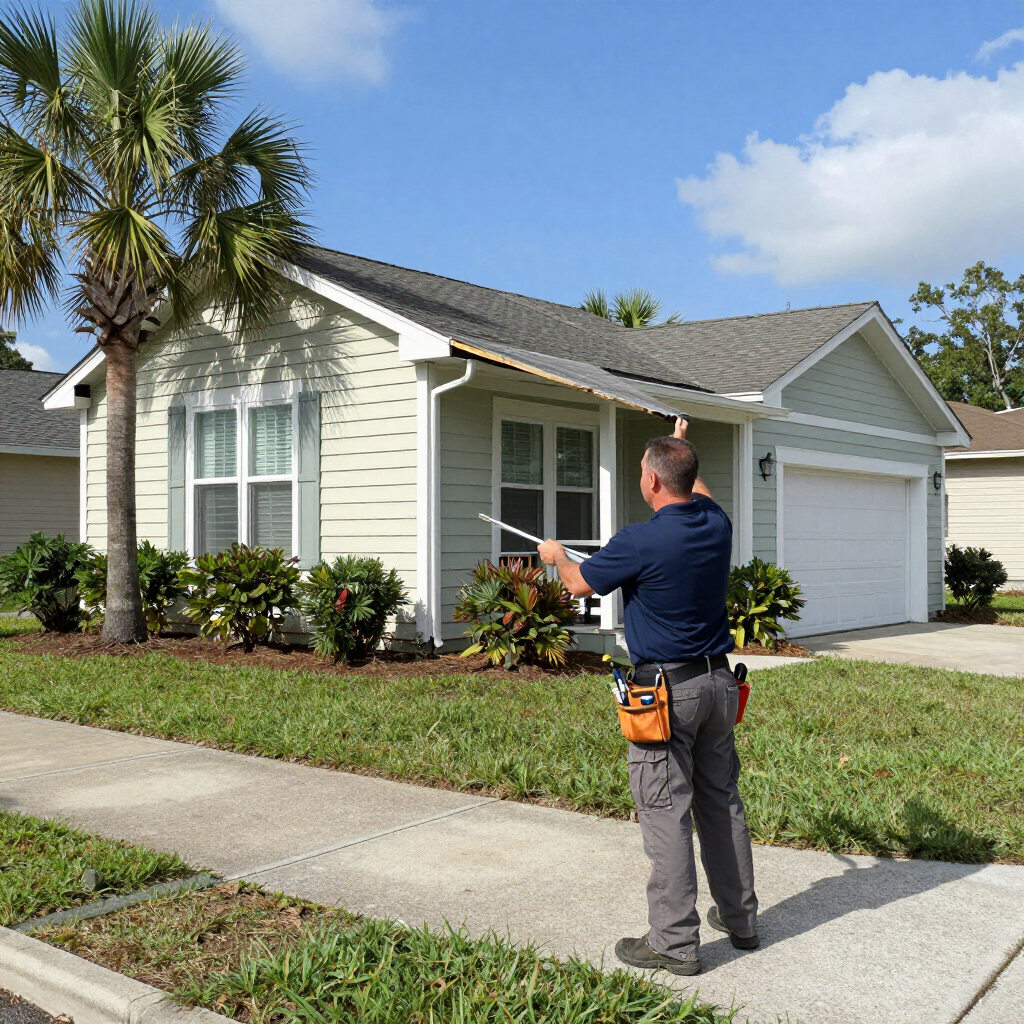
Mold Testing in Jacksonville Homes: Signs You Shouldn’t Ignore

Mold testing in Jacksonville homes is essential when you notice signs like musty odors, visible discoloration, recent water damage, or unexplained health symptoms. Because of Florida’s high humidity, mold can grow quickly and spread behind walls, under flooring, and in HVAC systems—often without being immediately visible.
If you live in Jacksonville, Orange Park, Ponte Vedra, or nearby areas, recognizing these early warning signs can help you act before mold becomes a serious issue.
Why Mold Is a Common Problem in Jacksonville Homes
Jacksonville’s climate creates the perfect environment for mold growth. Warm temperatures combined with high humidity allow moisture to accumulate in homes year-round.
Common contributing factors include:
- High indoor humidity levels
- Poor ventilation
- Roof or plumbing leaks
- Flooding or storm damage
- Condensation from HVAC systems
In coastal areas like Atlantic Beach and Neptune Beach, salt air and moisture exposure can accelerate the problem.
What Is Mold Testing?
Mold testing is a specialized inspection that identifies the presence, type, and concentration of mold spores in a home.
Unlike a standard home inspection, mold testing can detect hidden mold that may not be visible to the naked eye.
It typically involves:
- Air sampling to measure mold spores
- Surface sampling in affected areas
- Moisture readings to identify problem zones
This process provides a clearer picture of indoor air quality and potential health risks.
Top Signs You Need Mold Testing
If you notice any of the following, it may be time to schedule mold testing.
1. Musty or Damp Odors
A persistent musty smell is one of the most common signs of mold.
Even if you can’t see mold, the odor may indicate hidden growth behind walls, under flooring, or in ductwork.
2. Visible Mold Growth
Mold can appear as:
- Black, green, or white spots
- Fuzzy or slimy patches
- Discoloration on walls or ceilings
Visible mold often means there is more hidden growth nearby.
3. Recent Water Damage
If your home has experienced:
- Roof leaks
- Plumbing issues
- Flooding
- Storm damage
Mold can begin developing within a short period in affected areas.
4. High Humidity Indoors
Indoor humidity levels that remain elevated can lead to mold growth over time.
Signs include:
- Condensation on windows
- Damp air
- Moist surfaces
Homes in Jacksonville often require proper ventilation to control humidity.
5. Allergy or Respiratory Symptoms
Mold exposure can affect indoor air quality and may trigger symptoms such as:
- Sneezing
- Coughing
- Eye irritation
- Headaches
If symptoms improve when you leave the home, mold could be a contributing factor.
6. Stains or Discoloration
Water stains on ceilings or walls may indicate moisture buildup, which can lead to mold.
Even if the area appears dry, mold may already be present beneath the surface.
Where Mold Commonly Grows in Homes
Mold thrives in areas with moisture and limited airflow.
Inspectors often find mold in:
- Bathrooms and kitchens
- Attics with poor ventilation
- Crawlspaces
- Around windows and doors
- Inside HVAC systems
In Jacksonville homes, attics and air conditioning systems are especially common problem areas.
The Risks of Ignoring Mold
Ignoring mold can lead to:
- Structural damage to your home
- Reduced indoor air quality
- Health concerns for occupants
- Ongoing moisture problems
The longer mold is left untreated, the more it can spread and become difficult to remove.
Mold Testing vs. Mold Inspection
While these terms are often used interchangeably, they are slightly different.
Mold Inspection:
- Visual assessment of potential mold
- Identifies areas of concern
Mold Testing:
- Confirms the presence of mold
- Measures spore levels
- Identifies mold types
For a complete understanding, many homeowners choose both services.
[Mold Testing Services – https://www.affiliatedhomeinspections.com/]
How to Prevent Mold in Jacksonville Homes
Preventing mold starts with controlling moisture.
Here are key steps:
- Use proper ventilation in bathrooms and kitchens
- Maintain your HVAC system regularly
- Fix leaks immediately
- Use dehumidifiers if needed
- Ensure proper attic ventilation
Regular home maintenance plays a major role in mold prevention.
When to Schedule Mold Testing
You should consider mold testing if:
- You’re buying or selling a home
- You suspect hidden mold
- You’ve had recent water damage
- You notice ongoing humidity issues
- You want to ensure healthy indoor air quality
In competitive markets like Jacksonville and St. Johns, mold testing can also provide peace of mind during real estate transactions.
FAQs About Mold Testing in Jacksonville
Is mold always visible?
No. Mold can grow behind walls, under flooring, and inside HVAC systems where it cannot be seen.
How quickly can mold grow?
Mold can begin developing shortly after moisture is present, especially in humid environments.
Is mold testing necessary if I don’t see mold?
Yes, especially if you notice odors, humidity, or health symptoms.
Can mold affect my home’s structure?
Yes. Over time, mold can damage building materials and weaken structural components.
Should I test for mold before buying a home?
It is often recommended, especially in Florida’s climate where moisture issues are common.
Call to Action
If you suspect mold in your home or want peace of mind before buying or selling, professional testing is the next step.
Affiliated Home Inspections, Inc provides thorough mold testing services in Jacksonville, Orange Park, Ponte Vedra, St. Johns, and surrounding communities.
Schedule your mold testing today and ensure your home is safe, healthy, and protected.
Recent Posts